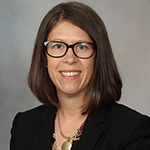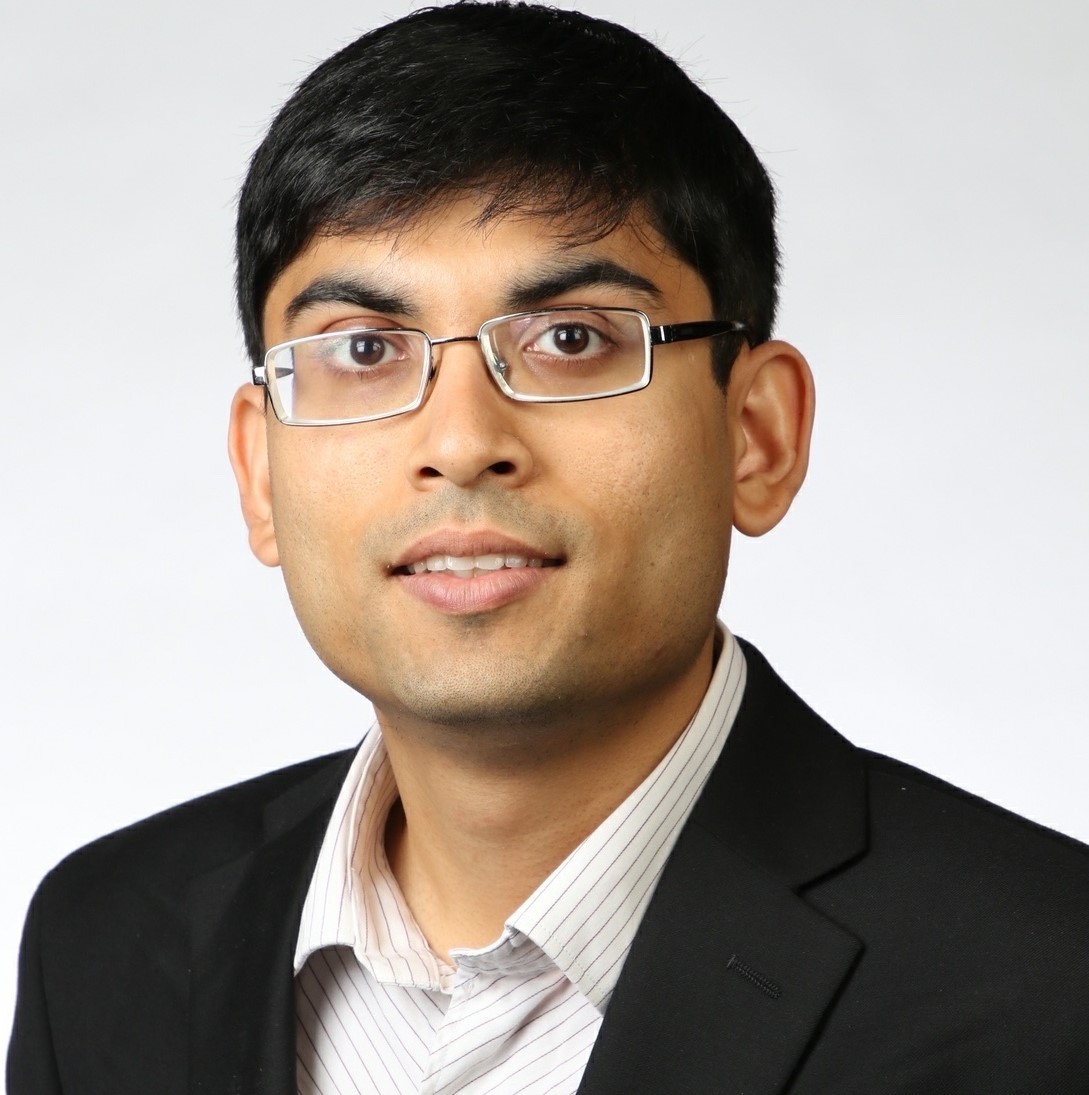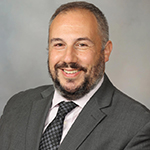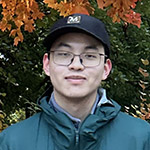

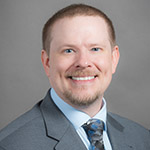
Jacob Abel, MD Jacob Abel graduated from the University of Pittsburgh School of Medicine in 2015 and from the University of Tennessee Health Science Center Pathology Residency (AP/CP) in 2019. With a long-running interest in computers, bioinformatics,and programming, he went on to complete combined fellowships in Pathology Informatics and Molecular Genetic Pathology at the University of Michigan in 2021. As a fellow, he conducted research on the technical assessment and validation of displays in digital pathology, and assisted in the selection and validation processes of whole-slide-imaging scanners as well as the selection process for an image management system. During this time, he also fufilled the role of managing and upgrading the next-generation sequencing pipeline. Additional projects have included the creation of dashboards for tracking COVID-19 testing and blood product inventory management as well as the use of deep learning and image analysis in histologic and gross images. He currently works as a molecular genetic pathologist at the University of Washington Department of Laboratory Medicine and Pathology in Seattle, and his ongoing interests include the design and use of adjunctive tools in clinical molecular genetic pathology report writing and the use of digital pathology to improve solid tumor sequencing workflows. CLOSE

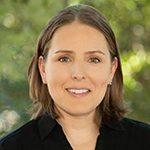
Mohammad Alexanderani, MD Dr. Alexanderani is an Assistant Professor of Pathology at the department of pathology, University of Pittsburgh School of Medicine, specializing in Computational Pathology and Artificial Intelligence at the Computational Pathology AI Center of Excellence (CPACE). He directs a quality assurance AI program dedicated to advancing pathology through cutting-edge AI and machine learning technologies, focusing on "Pathomics" to uncover histopathological features in digital images and develop next-generation diagnostic-theragnostic tools that enhance precision medicine.As a physician-scientist, Dr. Alexanderani has significantly contributed to the field by holding numerous patents, grants, receiving prestigious awards, and authoring book chapters and manuscripts in high-impact journals, along with platform presentations at major national and international conferences. Prior to his role at University of Pittsburgh, he was the inaugural fellow in Computational Pathology and AI at Weill Cornell, where he received the prestigious NIHT32 award on the Pathologist Scientist track and the iDEA-iTECH award in precision medicine and computational biology. CLOSE
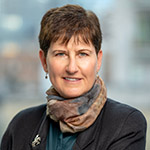
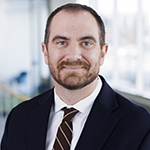
Orly Ardon, PhD, MBA Orly Ardon, PhD, MBA, serves as Director of Digital Pathology Operations at Memorial Sloan Kettering Cancer Center, where she is an associate member of the Department of Pathology and Laboratory Medicine and a member of the Warren Alpert Center for Digital & Computational Pathology. She is the secretary and on the executive board of directors of the Digital Pathology Association (DPA) as well as contribute to multiple committees. Under her leadership, MSK’s digital pathology program has expanded from a small retrospective scanning effort into a comprehensive 24/7 enterprise level operation that now supports prospective digitization of the institution’s pathology slides. This robust infrastructure enables broad access to high quality digital images for education, research, and clinical care, and provides a foundation for developing advanced computational decision support tools in pathology. Prior to joining MSK, Dr. Ardon led the development of novel computer assisted diagnostic technologies and advanced digital pathology collaborations at ARUP Laboratories in Salt Lake City, Utah, while also serving as an adjunct associate professor at the University of Utah. Dr. Ardon earned her BSc, MSc, and PhD in Microbiology from the Hebrew University of Jerusalem, followed by postdoctoral training in cell biology and virology at the University of Utah. She later completed an Executive MBA at the University of Utah. Her academic and industry experience spans basic and translational research in microbiology, genetics, biochemistry, immunology, and genomics. She brings extensive expertise in laboratory automation, strategic planning, healthcare operations, and innovation. Her current research focuses on digital health solutions, operational optimization and quality, healthcare economics, and the human dimensions of AI driven transformation. CLOSE

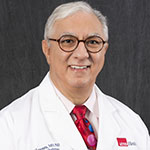
Omar Baba, MD Omar Z. Baba, MD, a clinical pathologist and pathology informaticist, advances laboratory medicine through technology-driven innovation. Originally trained in a 4-year Clinical Pathology residency at the American University of Beirut, Lebanon, he completed a two-year Pathology Informatics Fellowship at Henry Ford Health in Detroit, MI, under Dr. J. Mark Tuthill's mentorship. He is currently completing a second CP residency at Henry Ford for ABP board certification. Dr. Baba’s work spans digital pathology, LIS integrations, AI-driven QC automation, Business intelligence analytics, informatics advocacy, teaching, education, and mentorship. As founder and co-chair of API's Young Physician Section (Path Finders), he created a platform for early-career informaticists. He serves on national/regional committees including including College of American Pathologists (CAP) Informatics Committee, Association for Pathology Informatics (API) Planning and Topic Review Committees, Pathology Informatics Essentials for Residents (PIER) Leadership Committee, Global Pathology and Laboratory Medicine Consortium (GPALM) and Michigan Society of Pathologists Social Media Committee. Dr. Baba envisions harnessing AI, digital platforms, and data analytics to transform pathology and laboratory medicine, making diagnostics faster, more equitable, and globally scalable, particularly bringing these innovations to his Middle East home region. CLOSE
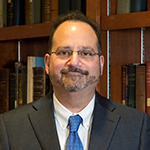
Ulysses G. J. Balis, MD Ulysses G. J. Balis, MD, Fellow AIMBE, is the A. James French Professor of Pathology Informatics and Director of the Division of Pathology Informatics at the University of Michigan, with additional roles as Director of the Computational Pathology Laboratory Section, and Director of the Informatics Fellowship Program. He serves as this year’s Pathology Informatics Summit conference co-director. Dr. Balis has longstanding interests in data analytics, natural language processing, digital image analysis, computational pathology, and AI-driven workflow. During his career, he has carried several foundational roles in pathology-related areas, including: the creation of subspecialty boards for Clinical Informatics, the development of quantitative real-time PCR instrumentation (e.g. the Roche Light Cycler), the development of circulating maternal-fetal cells / tumor cell microfluidics detection technology (Living MicroSystems, Artemis Health, and Verinata Health), and the development of the original DICOM Visible Light (VL) Image Object Definition (IOD), which was later transformed into the Whole Slide Imaging IOD. He was elected as a Fellow of the American Institute for Medical and Biological Engineering in 2015 for his engineering contributions to laboratory instrumentation, pathology bioinformatics, and computational imaging in histology image search and analysis algorithms. His division has recently activated all-digital primary diagnostic workflow in support of anatomic pathology, with the concurrent development of an associated computational pathology laboratory section that develops original computational solutions and pipelines intended for clinical use. Most recently, he has assumed the role of Chief Medical Officer of Diagnostic Medicine Consortium, Inc. (a public service / non-profit 501(c)(3) subsidiary of the Project Santa Fe Foundation), towards the goal of democratizing advanced data sciences tools for value-based, proactive population health management. CLOSE
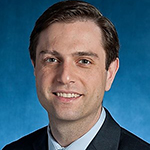
Alex Baras, MD, PhD Alex Baras is the Director of Informatics and the Leon Troper Professor in Computational Pathology at Johns Hopkins University. He is a practicing surgical pathologist specializing in urologic and gynecologic pathology and holds secondary appointments in Urology, Oncology, and Health Science Informatics. Dr. Baras oversees Precision Medicine Informatics and Bioinformatics for the Sidney Kimmel Comprehensive Cancer Center and the Molecular Diagnostics Laboratory. He also oversees the Oncology Tissue Services laboratory with respect to the development of protein and nucleic acid detection assays in tissue sections, as is done routinely in clinical practice. Additionally, he oversees the digital pathology slide scanning serving of the Oncology Tissue Services laboratory as well as in the Department of Pathology. Dr. Baras’ research in machine learning, digital pathology, and bioinformatics appears in high-impact journals including Nature Communications, Genome Research, Cancer Discovery, Lancet Oncology, and Urology. CLOSE
Dr. Barasch came to pathology and laboratory medicine following a career as a computer programmer and system analyst. He serves on the hospital LIS committee and is certified in clinical informatics. Dr. Barasch has spoken at national conferences regarding computational laboratory quality metrics and has published on topics related to automated tissue analysis. He is recognized by laboratory professionals in the Nuvance system as an expert in informatics and maintains an AP/CP clinical practice. CLOSE
Darci Block is an associate professor in the Department of Laboratory Medicine and Pathology at Mayo Clinic in Rochester, MN. She is the medical director of the Central Clinical Laboratory and Central Processing. Since 2020 she has also served as the Vice Chair of Informatics for her department and is the chair of the Data Science and Informatics division of ADLM (formerly AACC). CLOSE
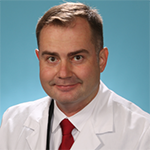
Victor Brodsky, MD Dr. Victor Brodsky is an Associate Professor of Pathology and Immunology at Washington University School of Medicine in St. Louis, Missouri, where he also serves as Associate Medical Director of Information Systems and mentors both pathology trainees and clinical informatics fellows. Actively involved in the Association for Pathology Informatics (API), he is the current President Elect and has previously co-chaired the Technology, Standards, and Innovation Committee as well as the Training and Education Committee. With over 17 years of leadership experience, Dr. Brodsky has spearheaded transformative informatics initiatives as a Medical Director at Weill Cornell Medical College in New York and at Cedars-Sinai Medical Center in Los Angeles, and has spent years working within the College of American Pathologists (CAP) Informatics Committee and the Clinical and Laboratory Standards Institute (CLSI). As the first pathology informatics fellow at Massachusetts General Hospital, he has been lucky to have had a chance to work with pioneers like John Gilbertson on integrating technology with pathology practice, and is a co-author of the recent collaborative CAP/DPA/API publications on generative AI. Dr. Brodsky has been excited about machine learning and AI even before his training in the seven year combined BA/MD medical program at Boston University and is looking forward to the opportunities for improvement of care quality presented by AI in laboratory medicine. CLOSE
John Campbell has served for the past 20 years as a divisional Chief Information Officer within Mass General Brigham. Most recently, John led digital strategy for MGB's innovative Healthcare at Home program, where he led the digital strategy, which helped scale MGB’s Home Hospital program to 100 beds in 24 months. Previously, John led digital strategy for MBG’s post-acute division, including Spaulding Rehabilitation Network, a network of post-acute hospitals and ambulatory centers within the Partners Healthcare System and MGB Home Care. In this role, John led the implementation of numerous clinical and administrative technology initiatives to improve quality and reduce costs, including Epic implementation and Spaulding’s Telemedicine program. Prior to Spaulding, John served for 5 years as Director of Information Systems for CareGroup Healthcare systems’ Provider Service Network developing a suite of population health management tools to manage cost & quality under capitated risk contracts. John has over 25 years of Information Technology experience, including over 20 years in Healthcare IT. John is a member of the College of Healthcare Information Management Executives (CHIME); the Health Information Management Systems Society (HIMSS) and the American College of Hospital Executives (ACHE). John holds a master’s degree in business administration from The Isenberg School at UMASS Amherst, and a bachelor’s degree in business administration from Northeastern University in Boston Ma. In 2012, John earned the distinguished Certified Healthcare Chief Information Officer (CHCIO) certification. In addition, John serves as the Vice Chair of the Board of Directors of OpenCape (www.opencape.com) a 5013c corporation and recipient of a $32m ARRA stimulus grant to build a Middle Mile fiberoptic network connecting Cape Cod/SE Mass to the world. CLOSE

W. Scott Campbell, MBA, PhD Dr. Scott Campbell is the Peter C. Hinrichs Professor and Chair of Pathology Informatics at the University of Nebraska Medical Center. He specializes in international data standards for use in pathology and laboratory medicine. Dr. Campbell focuses on practical application of standards in everyday workflows to enhance daily practice of medicine while accelerating data availability and usability for research, quality improvement, and public health. CLOSE

Alexis B. Carter, MD Alexis Carter, MD, is an actively practicing Molecular Genetic Pathologist and Physician Informaticist for the Laboratory at Children’s Healthcare of Atlanta and an Adjunct Associate Professor within the Department of Pathology and Laboratory Medicine at Emory University. She is the Program Director for the inaugural Emory Clinical Informatics Fellowship program and is teaching faculty for the American Medical Informatics Association (AMIA) Clinical Informatics Board Review Course for physicians. She is the chair of the Association for Molecular Pathology (AMP) Electronic Health Records and Genomics Working Group and the current Secretary for the Clinical and Laboratory Standards Institute document development committee for two-dimensional barcoding for both clinical and anatomic pathology laboratory specimens. She was the senior author for the guideline on validation of next-generation sequencing bioinformatics pipelines from AMP, the College of American Pathologists (CAP), and AMIA. She is an Associate Editor for Administrative and Regulatory Affairs for Archives of Pathology and Laboratory Medicine, an editorial board member of the Journal of Pathology Informatics, a former Associate Editor of the Journal of Molecular Diagnostics, and a reviewer for multiple scientific journals in molecular diagnostics, genetics and informatics. She is board certified in clinical informatics, molecular genetic pathology, anatomic pathology and clinical pathology. CLOSE

Srikar Chamala, PhD, FAMIA Dr. Srikar Chamala is an Associate Professor of Clinical Pathology at the Keck School of Medicine of University of Southern California (USC), Director of the Center for Pathology Informatics and Data Science at Children's Hospital Los Angeles (CHLA), and Associate Program Director for the Clinical Informatics Fellowship program at CHLA. He oversees the development, implementation, and maintenance of advanced Pathology Informatics solutions across major pathology divisions including clinical, anatomic, molecular pathology, transfusion medicine, and biorepository. Dr. Chamala's integration of sophisticated informatics practices enhances diagnostic and research methodologies, elevating healthcare delivery and scientific discovery standards. Dr. Chamala is passionate about leading institutional, national, and international initiatives, training pathologists, healthcare professionals, and researchers in pathology/clinical informatics and precision genomic medicine. His leadership has resulted in significant funding acquisition and the development of translational biomedical informatics research in AI, genomics, and clinical data interoperability standards.CLOSE

Dhananjay A. Chitale, MD, MBA Dr. Chitale is the System Vice-Chair of Anatomic Pathology and Pathology Academic Program, Division Head of Molecular Pathology and Genomic Medicine, Medical Director of the HFCI Tissue Biorepository & Immunohistochemistry research core, Senior Staff Surgical Pathologist with subspecialty lead pathologist on the Breast, Molecular Tumor Boards at Henry Ford Health. He is Professor of Pathology at Michigan State University College of Human Medicine and Associate Clinical Professor at Wayne State University School of Medicine. He has been named as Hour Detroit’s Top Doc list for last six consecutive years (2016-2023) based on a peer-review survey of approximately 23,000 physicians in metropolitan Detroit. Dr. Chitale received his medical degree from University of Mumbai, Mumbai, India (Seth G.S. Medical College and King Edward Memorial Hospital, Mumbai India). He completed his residency training and board certification in Pathology from Tata Memorial Hospital, University of Mumbai, Mumbai India. He then completed his second residency training in Anatomic and Clinical Pathology at Henry Ford Hospital, Detroit, MI. Following which Dr. Chitale completed his fellowship training in Oncologic Surgical pathology and Molecular pathology at Memorial Sloan Kettering Cancer Center, New York, NY. He completed post-doctoral training (Research Associate in Thoracic oncology, 2006-2007) at Memorial Sloan Kettering Cancer Center, New York, NY. Dr. Chitale successfully completed Master of Business Administration with Distinction from the Ross School of Business at the University of Michigan, Ann Arbor (April 2021). He is a board-certified Pathologist with board certifications in Molecular Genetic Pathology (American Board of Pathology (ABP) and American Board of Medical Genetics (ABMG), Molecular diagnostics (American Board of Clinical Chemistry), Anatomic and Clinical pathology (ABP), Diplomate of National Board in Pathology, New Delhi, India, Board certification in Pathology, MD Pathology, University of Mumbai, India. He is board eligible for Clinical Informatics, American board of Pathology and American board of Preventive Medicine. Dr. Chitale is widely published with 101 coauthored peer reviewed publications, 10 book chapters, 5 books and over 150 published abstract presentations in the form of posters and oral presentations at various national and international meetings. He has lectured locally, nationally and internationally as invited speaker. Dr. Chitale has provided Service for Peer-Reviewed Journals as a Reviewer of Manuscripts for eight high impact journals. He has been a co-author on the Molecular Testing Guideline for Selection of Lung Cancer Patients for EGFR and ALK Tyrosine Kinase Inhibitors: Guideline from the College of American Pathologists, International Association for the Study of Lung Cancer, and Association for Molecular Pathology. Dr. Chitale has mentored over 40 resident trainee, fellows and PhD candidates and was awarded best teacher of the year in Anatomic Pathology 3 years (2015, 2016, 2023). Dr. Chitale's collaborative research as Co-investigator has been funded through various organizations including Susan G. Komen Breast Cancer foundation, National Institute of Health (NIH), National Cancer Institute (NCI), Department of Defense (DoD) with focus on epigenetic alterations in ER negative breast cancers, molecular alterations in breast cancer in patients with neurofibromatosis, the Study of Breast Cancer Subtypes, A Nested Case-Control Study of Prostate Carcinogenesis. CLOSE
For more than 2 decades, Lisa-Jean Clifford has been a noteworthy leader in the high-tech healthcare solutions space. Lisa-Jean’s passion for making a positive impact on the lives of patients through technology can be traced back to her tenure at McKesson and IDX, now GE Healthcare, where she served in vital business development and marketing roles, and to Psyche Systems, an LIS solution provider, where she was the CEO for eleven years. Now, recognized as an industry expert, she actively participates in numerous boards including as the President of the Association of Pathology Informatics, Diagnostic Medicine Consortium and MLO’s Editorial Advisory Board. She is widely published in many top laboratory publications and noteworthy news sources, such as Forbes, CAPToday, Medical Laboratory Observer, and Health Data Management. Also, she is a frequent speaker and focuses on delivering valuable content in critical areas such as lab automation including software and interoperability, digital pathology, AI in pathology, lab informatics, oncology, and women’s health. Lisa-Jean’s success can be attributed to her perseverance, integrity, her high-regard for ethics, and her desire to continue to learn, grow, and move technology solutions in a forward direction for healthcare. Her collaboration with industry partners, customers, colleagues, and competitors combined with her commitment to exceptional customer relationships is what distinguishes her drive to foster a win-win for the healthcare industry as a whole. CLOSE
Heather D. Couture is a consultant and founder of Pixel Scientia Labs, where she partners with mission-driven founders and R&D teams to support applications of computer vision for people and planetary health. She has a PhD in Computer Science and has published in top-tier computer vision and medical imaging venues. She hosts the Impact AI Podcast and writes regularly on LinkedIn, for her newsletter Computer Vision Insights, and for a variety of other publications. CLOSE

James M. Crawford, MD, PhD Dr. James Crawford served as chair of the department of pathology and laboratory medicine at the Donald and Barbara Zucker School of Medicine at Hofstra/Northwell, and Senior Vice President for Laboratory Services at Northwell Health 2009-2023), stepping down in December 2023. He is now an active Professor and Chair Emeritus, continuing his clinical service work as liver pathologist, pursuing research and having more time to give to his national commitments. Dr. Crawford received his M.D. and Ph.D. degrees from Duke University School of Medicine, and his post-graduate training in anatomic pathology and gastrointestinal pathology at Brigham and Women’s Hospital, followed by a fellowship in hepatic pathology at the Royal Free Hospital in London. Dr. Crawford formerly served as faculty and staff pathologist at Harvard Medical School and Brigham and Women’s Hospital, and at the Yale University School of Medicine. He then served as professor and chair of the Department of Pathology, Immunology and Laboratory Medicine at the University of Florida, College of Medicine in Gainesville (1999-2008). Over the 24 years of being department chair at two institutions, he has been a strong national advocate for the importance of in-system clinical laboratories for integrated health systems, and is a leading proponent of the role of pathology and the clinical laboratory in patient-centered care and value-based care. As a founding member of the Project Santa Fe Foundation and Chair of the Board of Directors, he is a leader in the effort to develop the value statements for pathology and laboratory diagnostic services in the next era of health care. He is founding Editor-in-Chief of Academic Pathology, the official journal of the Association of Academic Pathology (AAPath). CLOSE

Katharine Crawford, MD, PhD Kate Crawford is a third-year clinical pathology resident at the University of Washington with a focus on informatics and microbiology. Her interest in data analytics and informatics stemmed from her time in the UW MD/PhD program where she earned a PhD in Genome Sciences with a focus on viral evolution. In residency, she has presented her work on informatics and clinical virology at API, ACLPS, and AMP, and attended CAP as an Informatics Awardee. After graduating residency this summer, she will continue her pathology informatics journey as faculty focused on using data and informatics tools to improve laboratory workflows and patient care. CLOSE
Bryan Dangott, MD is the Director of Clinical Informatics and a Consultant in the Department of Laboratory Medicine and Pathology at Mayo Clinic Florida. Current research interests include digital pathology adoption, optimizing workflow, operational analytics, image analysis, and AI development. In prior roles he served as Vice Chair of Pathology Informatics and Analytics at East Carolina University and as Medical Director for Flagship Biosciences and Interpace Pharma Solutions. CLOSE
Patrick Day holds a bachelor’s degree in medical laboratory science and master’s degrees in public health both from the University of Minnesota. His master’s thesis explored how geospatial supercomputing and clinical laboratory data can reveal links between socioeconomic factors, geography, and heavy metals in the U.S. Mr. Day is currently a principal developer in the Division of Computational Pathology and Informatics at Mayo Clinic, Rochester, MN, focusing on safely developing, validating and implementing AI-augmented laboratory tests into clinical practice. Previously, Mr. Day was a senior developer in the Metals Laboratory at the Mayo Clinic, where he created laboratory-developed tests and managed multidisciplinary research projects. Mr. Day also serves as an Instructor at the Mayo Clinic College of Medicine and Science and has co-authored numerous publications on metals toxicology and artificial intelligence in clinical laboratories. CLOSE
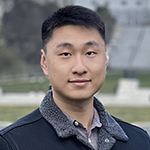
Ruining Deng, PhD Ruining Deng is an Instructor of Artificial Intelligence at Weill Cornell Medicine. He received his Ph.D. in Computer Science from Vanderbilt University. His research focuses on developing AI-driven methods for digital pathology and biomedical imaging, particularly for non-cancer diseases such as renal, gut, and lung pathology. His work advances four core areas: three-dimensional tissue reconstruction and multimodal registration, large-scale and high-throughput tissue quantification, multimodal data analysis for disease diagnosis, and computational support for clinical decision-making. He has collaborated broadly with nephropathologists and clinicians, contributed to interdisciplinary research across academic and industry settings, and remains committed to democratizing pathology analytics through accessible and clinically grounded AI systems. CLOSE
Mary E. Edgerton, MD, PhD, FCAP is AP/CP and CI certified. She is currently a professor of pathology at the University of Nebraska Medical Center (UNMC) after having spent over 15 years at the University of Texas M.D. Anderson Cancer Center (MDACC). She was the Chair of the Pathology Electronic Reporting Committee (PERT) for the College of American Pathologists (CAP) from 2020-2024 and has been involved in the implementation of the CAP electronic Cancer Protocols at both UNMC and MDACC. Over her career, she has been involved in kinetics modeling, most recently for the growth kinetics of ductal carcinoma in situ, machine learning analyses for pathway discovery from gene expression data in cancer, and mapping of SNOMED-CT to the CAP Cancer Protocols. She is recognized as a breast pathologist and a leader in pathology informatics. She has received the CAP Distinguished Pathologist Award (2022) and the Lifetime Contributions Award from the Association of Pathology Informatics (2024). CLOSE

Peter Gershkovich, MD, MHA After completing a medical informatics fellowship at the Yale Center for Medical Informatics, Dr. Peter Gershkovich continued at Yale, addressing applied informatics problems in pathology and translating modern engineering principles into routine diagnostic practice. He is the Director of Pathology Informatics and Cancer Data Science at Yale University, where he leads development of next-generation diagnostic systems at the intersection of digital pathology, AI, and workflow engineering. His work is driven by a core conviction: successful clinical AI in pathology depends less on any single model and more on robust engineering, integration, and workflow orchestration. Drawing on a multidisciplinary background in clinical medicine, software engineering, cybersecurity, machine learning, and large-scale systems architecture, Dr. Gershkovich designs modular platforms that enable emerging technologies to participate in pathology workflows in adaptive, context-aware, and clinically meaningful ways. Dr. Gershkovich’s approach treats pathology as a network of cognitive and computational modules that must be orchestrated intelligently. His systems focus on reliability, safety, and usability by asking better questions, surfacing hidden structure, and returning the right information at the right time to support clinical decision-making. Ultimately, his work aims to augment pathologists’ expertise and accelerate adoption of AI by making it operationally dependable within real-world diagnostic environments. CLOSE

Gregory M. Goldgof, MD, PhD Gregory M. Goldgof, MD, PhD, MS is Assistant Professor and Director of Artificial Intelligence and Computational Hematopathology in the Department of Pathology and Laboratory Medicine at Memorial Sloan Kettering Cancer Center, and Assistant Professor at Weill Cornell Medicine. He is board certified in Clinical Informatics and Laboratory Medicine and has degrees in computer science, bioengineering and biomedical sciences. Dr. Goldgof’s research focuses on leveraging image and clinical datasets to build clinically useful AI-based software and diagnostics, with a focus on hematology and pathology. His lab is composed of a multidisciplinary team of physicians, engineers, and statisticians. His work has appeared in Science Translational Medicine, Nature Medicine, and NeurIPS. CLOSE
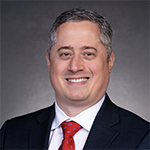
Dibson Dibe Gondim, MD Dr. Gondim serves as an Associate Professor of Pathology and the Director of Pathology Informatics at the University of Louisville in Louisville, KY. He holds board certifications in Anatomic Pathology, Neuropathology, and Clinical Informatics from the American Board of Pathology. Dr. Gondim's expertise in pathology, combined with his proficiency in computer programming and data analysis, has been pivotal in advancing digital pathology and artificial intelligence at the University of Louisville. Under his leadership, the University of Louisville Health has become an early adopter in the United States, implementing full prospective digitization of glass slides with integrated AI solutions. His leadership in pathology informatics has led to the development of several web-based systems designed to enhance the clinical, educational, and research endeavors of the department. CLOSE
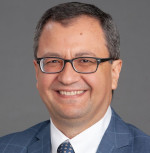
Metin N. Gurcan, PhD Dr. Metin Gurcan is the founding Director of the Center for Artificial Intelligence Research, Professor of Internal Medicine, Pathology, and Biomedical Engineering at Wake Forest University School of Medicine, and Director of the Clinical Image Analysis Lab (https://school.wakehealth.edu/research/labs/clinical-image-analysis-lab/). Previously, he was the founding director of the Center for Biomedical Informatics at Wake Forest University School of Medicine. Dr. Gurcan is an internationally recognized researcher and educator in the fields of medical image analysis, artificial intelligence, and biomedical informatics. His research has been supported by NIH NCATS, NCI, NIDCD, NHLBI, NBIB, NIAID, NLM, and DOD, as well as awards from several nonprofit organizations. He is the author of over 200 peer-reviewed publications and book chapters, and he holds 12 patents for inventions in medical artificial intelligence. Dr. Gurcan received his BSc. and Ph.D. degrees in Electrical and Electronics Engineering from Bilkent University, Turkey, and his MSc. Degree in Digital Systems Engineering from the University of Manchester Institute of Science and Technology, England. Dr. Gurcan is the recipient of several awards, including the British Foreign and Commonwealth Organization Award, NCI caBIG Embodying the Vision Award, NIH Exceptional, Unconventional Research Enabling Knowledge Acceleration (EUREKA) Award, Children’s Neuroblastoma Cancer Foundation Young Investigator Award, The OSU Cancer Center REAP Award, and Pelotonia Idea Award. He is a Fellow of SPIE and ACMI and a senior member of IEEE and AMIA. In addition to his organizational leadership, he provides professional leadership within multiple organizations. He co-chaired the SPIE Medical Imaging Symposium between 2019 and 2022. He serves on the editorial boards of the Journal of Pathology Informatics, BJR | Artificial Intelligence, and SPIE Journal of Medical Imaging. He has been organizing the Pathology Informatics Histopathological Image Analysis (HIMA) workshop since 2013. CLOSE
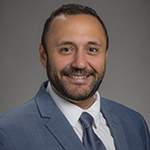
Kareem Hosny, MD, MPH Kareem Hosny, MD, MPH, is an assistant professor and director of the Anatomical Pathology Informatics Division in the Department of Laboratory Medicine and Pathology. He also serves as the head of Digital Pathology for the Department. Dr. Hosny’s clinical and research interests include the clinical applications of machine learning, digital pathology, whole-slide-imaging technology, clinical decision support, and enterprise workflow optimization. As the head of Digital Pathology for the Department, Dr. Hosny is engaged in the supervision and implementation of the digital pathology initiative aimed to digitalizing the anatomical pathology service for the clinical, educational, and research purposes. The applications of Dr. Hosny’s clinical and research interests involve the whole spectrum of bioinformatics, pathology informatics, clinical informatics, and public health informatics. Dr. Hosny received his MD degree from Cairo University, Egypt. He earned his MPH degree from Emory University in Atlanta/Georgia, where he studied public health informatics. He finished his residency in both Anatomical Pathology and Clinical Pathology (AP/CP) at the Hospital of University of Pennsylvania (HUP). CLOSE

James H. Harrison, Jr., MD, PhD James Harrison, MD, PhD, is Professor of Pathology and Director of Clinical Laboratory Informatics at the University of Virginia where he also co-chairs the Laboratory Stewardship Committee. He has over 35 years of experience in clinical and research informatics, and he is active in resident/fellow training, clinical analytics including machine learning, and software development. He has received funding as PI for R-01 and T-15 grants from the NLM and NCI. He has also developed a comprehensive teaching resource in pathology informatics that is freely available from the Association for Pathology Informatics. In the College of American Pathologists, he is past chair of the Informatics Committee, he established and chaired the first project team for AI and machine learning, and he is now vice chair of the Artificial Intelligence Committee. In 2021 he led the publication of a comprehensive review of machine learning in pathology and is a section editor for Artificial Intelligence in Archives of Pathology and Laboratory Medicine. In 2024 he received the Frank W. Hartman Outstanding Service Award from the CAP for his contributions to the field of pathology informatics. CLOSE
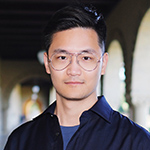
Zhi Huang, PhD Dr. Huang is an Assistant Professor of Pathology and Laboratory Medicine, with a secondary appointment in the Department of Biostatistics, Epidemiology, and Informatics at the University of Pennsylvania Perelman School of Medicine. After receiving a PhD in Electrical and Computer Engineering from Purdue University in August 2021, he completed a postdoctoral training at Stanford University from 2021 to 2024. Dr. Huang’s research focuses on advancing AI and machine learning in medicine, including the development of vision-language foundation models for pathology (featured on the cover of Nature Medicine 2023), pathologists-AI collaboration (Nature Biomedical Engineering 2024), neurodegenerative disease research (Nature Communications 2023), as well as work on optimizing large language models (Nature 2025). His work has been covered by The New York Times, Stanford Magazine, and Stanford Scope. CLOSE
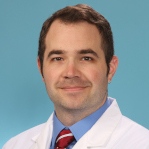
Professor, Departments of Pathology & Immunology and Pediatrics
Washington University in St Louis School of Medicine
Associate CMIO for Laboratory Informatics
BJC HealthcareRonald Jackups, MD, PhD, is the Program Director for the Clinical Informatics fellowship at Washington University School of Medicine and the Chief Medical Information Officer for Laboratories at BJC Healthcare in St. Louis, MO. His clinical and research interests include the use of clinical decision support to improve the utilization of laboratory testing and blood transfusion in healthcare systems.CLOSE
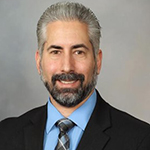
Paul Jannetto, PhD, DABCC, FADLM, MT(ASCP) Paul Jannetto, PhD, DABCC, FADLM, MT(ASCP), is a Professor in the Department of Laboratory Medicine and Pathology and a Consultant at the Mayo Clinic (Rochester, MN), where he serves as the Co-Director for the Clinical Mass Spectrometry Laboratory, Clinical and Forensic Toxicology Laboratory, and the Metals Laboratory. He also serves as the Vice-Chair of Practice for Laboratory Medicine for the Department of Laboratory Medicine & Pathology. Previously, he earned his BS in Clinical Laboratory Science from the University of Wisconsin-Milwaukee and worked as a Medical Technologist for Medical Science Laboratories before entering graduate school. He then earned a Ph.D. in Pharmacology and Toxicology at the Medical College of Wisconsin. He is board-certified by the American Board of Clinical Chemistry and American Society for Clinical Pathology. His clinical and scientific interests are centered on Clinical & Forensic Toxicology, Therapeutic Drug Monitoring, Controlled Substance Monitoring, and Elemental Analysis. Dr. Jannetto is actively involved in the Association for Diagnostics & Laboratory Medicine (ADLM) where he is presently serving as President. He has held numerous positions at the national level as president-elect, secretary, and a member of the board of directors; a member of the Governance Review Advisory Taskforce; and NACB Board of Directors. Dr. Jannetto is also a member of the American Academy of Pain Medicine, International Association of Therapeutic Drug Monitoring and Clinical Toxicology, Society of Forensic Toxicologists, The International Association of Forensic Toxicologists, and was the President of the Midwest Association for Toxicology and Therapeutic Drug Monitoring. He has over 100 peer-reviewed publications, 19 book chapters, and over 90 abstracts/presentations at various national meetings. CLOSE
Hesam H. Javadi, PhD, is an Assistant Professor of Bioinformatics at the Medical College of Wisconsin in the Department of Pediatrics, Division of Bioinformatics Quantitative Child Health. His work focuses on the intersection of agentic AI, clinical data processing, microbiome metagenomics, and mitochondrial genomics. Prior to joining MCW, he served as a Senior Clinical Bioinformatics Scientist at Children’s Hospital Los Angeles and a Postdoctoral Associate at the University of Florida. Dr. Hakim Javadi is the developer of several open-source frameworks, including HGT-Rates, scMitoGenotype, and HPO Mapper, a tool for automated clinical phenotype extraction. He holds a Ph.D. in Systems Biology from the University of Cincinnati. At the API Summit 2026, he is leading a hands-on workshop on integrating multi-agent AI into pathology informatics workflows to automate complex data tasks while maintaining clinical rigor. CLOSE
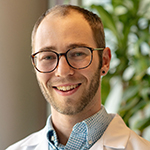
Ryan Landvater, MD Dr. Ryan Erik Landvater, MD, MEng, is a physician–scientist and clinical informatics fellow whose work centers on high performance digital pathology systems and computational workflows for large scale slide analysis. He earned his medical degree from the University of Vermont’s Larner College of Medicine in 2019, following earlier training at Cornell University, where he completed dual bachelor’s degrees in Biological Sciences, with an emphasis on neuroscience, and in Chemistry and Chemical Biology in 2014. He also completed a Master of Engineering in Biomedical Engineering with an emphasis on neural interface modeling at Cornell University in 2015. He completed his residency in Anatomic and Clinical Pathology at the University of Michigan in 2023 and went on to finish his Neuropathology fellowship at Michigan Medicine in 2025. His technical work focuses on digital image compression, high throughput digital pathology pipelines, cloud scale storage architectures, and computational frameworks that support whole slide imaging at clinical and research volumes. CLOSE
Dr. Michael Laposata is the Professor of Pathology at the University of Texas Medical Branch-Galveston. He received his M.D. and Ph.D. from Johns Hopkins University School of Medicine and completed a postdoctoral research fellowship and residency in Laboratory Medicine (Clinical Pathology) at Washington University School of Medicine in St. Louis. He took his first faculty position at the University of Pennsylvania School of Medicine in Philadelphia in 1985, where he was an Assistant Professor and Director of the hospital's Coagulation Laboratory. In 1989, he became Director of Clinical Laboratories at the Massachusetts General Hospital and was appointed to the faculty in the Department of Pathology at Harvard Medical School, where he became a tenured full Professor of Pathology. Dr. Laposata joined Vanderbilt University School of Medicine in 2008 where he was the Edward and Nancy Fody Professor of Pathology and Medicine. Additionally, he was Pathologist-in-Chief at Vanderbilt University Hospital and Director of Clinical Laboratories. His basic research program has focused on fatty acids and their metabolites. Dr. Laposata's clinical expertise, for both patient care and clinical research, is in blood coagulation, with a special expertise in diagnostic errors. He has authored more than 190 peer-reviewed publications in basic and clinical research and authored/edited nine books. His work on diagnostic errors earned him an appointment to the 21-member panel of the National Academy of Medicine which issued the 2015 report on Improving Diagnosis in Healthcare. Dr. Laposata is the recipient of 14 major teaching prizes at Harvard, the Massachusetts General Hospital, and the University of Pennsylvania School of Medicine. His recognitions include the 1989 Lindback Award, a teaching prize with competition across the entire University of Pennsylvania system; the 1998 A. Clifford Barger mentorship award from Harvard Medical School; election to the Harvard Academy of Scholars in 2002, and to the Vanderbilt University School of Medicine Academy for Excellence in Teaching in 2009; and the highest award - by vote of the graduating class - for teaching in years 1 and 2 at Harvard Medical School in 1999, 2000, and 2005. CLOSE
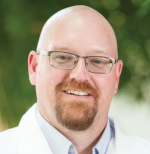
David McClintock, MD Dr. David McClintock is Chair of the Division of Computational Pathology and Artificial Intelligence and a Senior Associate Consultant in the Department of Laboratory Medicine and Pathology, at the Mayo Clinic (Rochester). Current professional interests include the use of machine learning and artificial intelligence tools to improve patient care, clinical laboratory workflows, operational efficiency, and scientific discovery. He is currently the Publications Co-Chair within the Association for Pathology Informatics. CLOSE
Adam Novak, PhD, is Senior Director of Software Engineering at SOPHiA GENETICS, where he has been at the forefront of the development of the SOPHiA DDM™ platform since 2013. With a background in Computer Science and a PhD in Bioinformatics, he currently leads a team that builds highly scalable clinical genomics workflows for prestigious hospitals around the world using SOPHiA DDM™. Before joining the company, he conducted postdoctoral research at the University of Oxford, UK, specializing in statistical sequence alignment and open-source bioinformatics tools. CLOSE
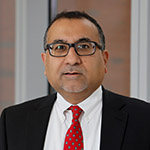
Anil Parwani, MD, PhD, MBA Dr. Anil Parwani is a Professor of Pathology and Biomedical Informatics at The Ohio State University. He serves as the Donald A. Senhauser Chair of the Department of Pathology and the Chief of Pathology Services for the Health System. Dr. Parwani has expertise in surgical pathology, pathology informatics, whole slide imaging, telepathology, image analysis, artificial intelligence, and lab automation. Dr Parwani has authored over four hundred peer-reviewed articles in major scientific journals and several books and book chapters. Dr. Parwani has served on the board of directors, education committee and abstract committee for USCAP and was the president of digital pathology association. He has also served on several committees including the AI Committee for the CAP. Dr. Parwani is the Editor-in-chief of Diagnostic Pathology and Co-editor of the Journal of Pathology Informatics. CLOSE

Palak Patel, PhD As an Assistant Professor of Pathology at SUNY Upstate Medical University, my research focuses on redefining precision oncology through the seamless integration of digital pathology, multi-omics, and clinical data. By leveraging advanced machine learning and AI-driven computer vision, we develop robust diagnostic and prognostic models designed to identify actionable biomarkers in aggressive malignancies, including prostate and lung cancers. Our work bridges the gap between high-dimensional biological data and bedside application, transforming complex translational research into high-impact tools that directly enhance diagnostic precision and treatment management. Ultimately, my research centers around providing clinicians with the predictive intelligence necessary to optimize therapeutic strategies and significantly improve patient outcomes. CLOSE
Dr. Prateek Prasanna is an Associate Professor in the Department of Biomedical Informatics at Stony Brook University, where he leads the Imaging Informatics for Precision Medicine (IMAGINE) Lab. His research spans radiomics, pathomics, deep learning, and explainable AI, with recent efforts emphasizing generative modeling for disease-aware image synthesis, the creation of digital twins, and human-in-the-loop AI paradigms. His group's work, featured in venues such as MICCAI, CVPR, ECCV, NeurIPS, Radiology, and IEEE Transactions on Medical Imaging, aims to push the boundaries of technical innovation while ensuring robustness and transparency in AI systems. His work has thus far resulted in over 200 publications and 8 issued patents. He has been the recipient of multiple innovation awards and the prestigious NSF CAREER award which explores the incorporation of expert eye-tracking data into AI models to enhance diagnostic accuracy and interpretability. He is also the founding Co-Director of the Radiology Informatics Microcredential Program at Stony Brook University, a fellowship-level training initiative in informatics embedded within the radiology residency program. From a clinical perspective, his lab drives innovations in multimodal data fusion that unite imaging, pathology, and genomics, enabling precision insights across neuro, thoracic, and breast cancers as well as ophthalmic and dental disorders. Example projects include predictive modeling of immunotherapy response using CT-based computational biomarkers, radiogenomic analysis of breast and brain tumors, pathway/gene-prediction using spatial transcriptomics, and computational biomarkers related to tumor-infiltrating lymphocytes and vascular morphology. By integrating technical advances with clinically meaningful applications, Dr. Prasanna's work continues to shape the future of AI-powered diagnostics, driving forward the vision of precision medicine. CLOSE

Jansen Seheult, MD Dr. Jansen Seheult is a Consultant and Assistant Professor in the Divisions of Hematopathology and Computational Pathology & Informatics at Mayo Clinic in Rochester, MN. As Medical Director of Digital Pathology and Artificial Intelligence in Hematopathology, he leads innovative efforts in the development, evaluation, and deployment of AI-powered diagnostic workflows for blood cancers. His research program is advancing large-scale foundation models for lymphoma and bone marrow pathology, leveraging multimodal and self-supervised learning to enable precision diagnostics and prognostic modeling in hematologic malignancies. Dr. Seheult’s team has also demonstrated the feasibility of human-in-the-loop machine learning approaches for flow cytometric quantification of measurable residual disease, with successful cloud and on-premise clinical implementations. He has authored numerous peer-reviewed publications on AI and laboratory diagnostics and contributes extensively to national guidelines as a member of the College of American Pathologists Artificial Intelligence Committee and the Council on Informatics and Pathology Innovation.CLOSE

Khosrow Shotorbani, MBA, MLS(ASCP) Khosrow Shotorbani is the CEO and founder of the Lab 2.0 Strategic Services, LLC. He is a member of Project Santa Fe Clinical Laboratory 2.0 industry advocate. As the former President and Chief Executive Officer at TriCore Reference Laboratories, Mr. Shotorbani oversaw the corporate direction and strategy of TriCore, focusing on leadership and innovation, as well as operations, growth, and the financial health of the company. He led TriCore’s initiatives based on the premise to improve health outcomes and lower costs by utilization of laboratory data. Mr. Shotorbani was instrumental in the creation of Project Santa Fe—a recently launched initiative with like-minded executives—helping to forge new frontiers that will define future economic valuation and placement of diagnostic services. Before joining TriCore in 2014, Mr. Shotorbani served as Senior Vice President and Director of Business Development/Business Innovations at ARUP. He joined ARUP in 1984 as a medical technologist and while at ARUP advanced to positions with progressive responsibility over his 30-year tenure.CLOSE
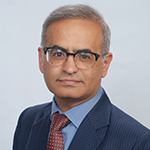
Rajendra Singh, MD Dr. Singh works as Professor of Pathology and Associate Vice-Chair for Digital Pathology at the University of Pennsylvania. Throughout his career, he has been actively involved with prestigious institutions, including Northwell Health, the University of Pittsburgh, and Mt. Sinai, as well as national organizations such as the ASDP, AAD, DPA, and CAP. Recognized for his dedication to education, Dr. Singh received the 'Teacher of the Year Award' at Mt. Sinai School of Medicine for five consecutive years. He also chaired the American Society of Dermatopathology's Informatics Committee and is now part of the Sulzberger Grant Committee at the AAD and the Editorial Board of the Journal of the American Academy of Dermatology (JAAD). Dr. Singh is the co-founder of PathPresenter, a leading digital pathology platform with over 70,000 users across 170+ countries. Widely adopted by academic institutions, private pathology groups, and organizations worldwide, PathPresenter (pathpresenter.com) has become an essential tool in the field. In 2022, Dr. Singh was honored with the Lifetime Achievement Award from the College of American Pathologists for his pioneering work on PathPresenter. He was also awarded the Sulzberger Grant by the AAD in 2013 for developing innovative educational tools in dermatology and dermatopathology. Most recently he was awarded the Meritorious Service Award by the CAP for 2025. Dr. Singh is the creator and editor of the app mydermpath+ and the Chief Editor and author of two books-Surgical Pathology, Reimagined and Ace the Board Dermatopathology. He has served on the Editorial Board for the WHO Classification of Tumors (5th Edition), and the Board of the Digital Pathology Association. He currently serves as the Co-Chair of the Digital and Computational Committee of the WHO, and as a member of the Digital and Computational Pathology Committee of the CAP as well as the Education Committee of the DPA. He has been recognized on the Pathologist Power List for 2020, 2021,2022, 2024 and 2025, reflecting his ongoing impact in the field. CLOSE
Emily Smith is a healthcare-focused product leader with deep experience in LIS systems and AI-powered SaaS solutions. She has led the development and launch of products that streamline lab workflows, automate medical coding, and enhance user engagement—most notably the Amplify coder experience tool at CodaMetrix. Emily holds a B.S. in Chemical Engineering from Northeastern University and lives in Dartmouth, MA with her family. CLOSE
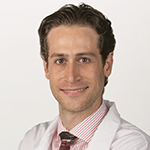
Eric Steimetz, MD, MPH Eric earned his medical degree at Sidney Kimmel Medical College at Thomas Jefferson University before pursuing his Anatomic and Clinical Pathology residency at SUNY Downstate Medical Center. He is currently completing his fellowship training in Oncologic Surgical Pathology and in Clinical Informatics at Memorial Sloan Kettering Cancer Center, reflecting his passion for the practical applications of AI to improve pathology workflows and patient care. He has been an active contributor to this space as a junior member of the CAP AI Committee. CLOSE
J. Mark Tuthill, MD, completed pathology residency and informatics fellowship training at the University of Vermont College of Medicine-Fletcher Allen Health Care, and created the department’s division of pathology informatics. Dr. Tuthill is Division Head of Pathology Informatics at Henry Ford Health in Detroit. Areas of interest include digital pathology implementation, Internet applications for laboratory services, laboratory information systems, business analytics, electronic health records and informatics training and education. Active in organized medicine, he is Delegate, Wayne Medical Society; Co-director for the API’s Pathology Informatics Summit; and Delegate for CDC’s CLIAC committee. As a charter member of the Association for Pathology Informatics, Dr. Tuthill has worked for the API from its inception serving as president, chair of the membership committee, education committee, and the organization’s original planning group. Dr. Tuthill is the recent recipient of the API’s distinguished service award. Married over 35 years, a father of five, Mark is passionate about many things including music, nature, golf, yoga and travel. He loves to share these adventures with his family. CLOSE
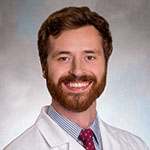
Drew Williamson, MD Drew Williamson, MD is an Assistant Professor in the Department of Pathology & Laboratory Medicine at Emory University School of Medicine. He trained in Anatomic Pathology, Molecular Genetic Pathology, and Clinical Informatics at Mass General Brigham and did a postdoctoral fellowship in the lab of Faisal Mahmood, PhD at Brigham & Women’s Hospital and Harvard Medical School. He leads a research lab at Emory which focuses on the application of deep learning to pathology data, from histology images to genomics to natural language. CLOSE
Mr. Winsten's background encompasses over 45 years with computers, including more than 40 years in the application of computer systems to healthcare. His professional activities reflect the breadth and depth of his forty-five years of experience. He has served as a healthcare system analyst, designer and developer, product and strategic planner, marketing director, and consultant for both users and vendors of laboratory, radiology, physician networks, data repositories, and other clinical information systems. Published papers have included topics on clinical system evaluation, selection, and installation, multi-site outreach networks, system contract criteria and negotiations, HIS interfacing, and other subjects related to clinical pathology information systems. He has been a speaker at numerous seminars and professional meetings. Mr. Winsten's professional affiliations include: Fellow, Healthcare Information and Management Systems Society (HIMSS), Association for Pathology Informatics (API), Clinical and Laboratory Standards Institute (CLSI) - Area Committee on Automation and Informatics, Fellow, Clinical Laboratory Management Association (CLMA), CLMA Board of Directors, 1990-1993 and 2011-2013. He is Co-Editor with Ray Aller, MD, of CAP Today NewsBytes and the annual CAP Today Systems surveys. CLOSE
Mark Zarella is the Vice Chair of Digital and Computational Pathology at the University of Pennsylvania. He has been an active participant in the field of digital pathology since 2012. Prior to joining Penn Medicine, he served as the Scientific Director of the Division of Computational Pathology & AI at the Mayo Clinic. Before joining Mayo, he was the Director of Digital Pathology at Johns Hopkins Medicine and the Director of Pathology Informatics at Drexel University. Dr. Zarella has served on the Digital and Computational Pathology Committee for the College of American Pathologists, the Board of Directors for the Digital Pathology Association, and numerous institutional boards related to clinical informatics, AI governance, and high performance computing. His research focus is on establishing and refining best practices to ensure the responsible deployment of AI tools in pathology, which includes establishing novel techniques for quantitative evaluation of AI models to estimate risk. CLOSE
Jinchun Zhang is a researcher from NYU Grossman School of Medicine focusing on the intersection of pathology and computational medicine. Their work on hematopathology centers on developing machine learning frameworks, such as FLOWDx, to automate and standardize clinical flow cytometry analysis. By leveraging advanced clustering and classification techniques, they aim to improve the accuracy and efficiency of hematologic cancer diagnostics in clinical practice. CLOSE

Yonah Ziemba, MD Yonah Ziemba, MD, is a pathologist and clinical informaticist with subspeciality interest in analysis of real-world data (RWD). At his position in Northwell Health, he has responsibilities in the downstream propagation of Laboratory-generated data into clinical applications, and he is also responsible to design data models in EMR databases to identify patients with specified scientific or medical criteria to support research and business intelligence projects. Dr Ziemba is passionate about education in pathology informatics. He has served on the national PIER leadership committee, leads the Pathology Informatics Didactic Sessions for the residents at his institution, and is committed to inspire and mentor trainees who are interested in this discipline as a career choice. CLOSE
|